

As parents, we want our children to thrive in school, both academically and socially. But when a child struggles with focus or gets flagged for behavior issues, the first assumption is often attention problems. What many families in Chesapeake do not realize is that vision and classroom behavior are closely connected. The right eye doctor can uncover hidden vision challenges that make learning feel harder than it should be.
Misdiagnosed attention issues
Imagine your child being told to “try harder” or evaluated for ADHD when the real challenge is that their eyes cannot properly track words across the page. This happens more often than you might think. Kids are incredibly resourceful, so they compensate in creative ways, but the effort leaves them exhausted. By the afternoon, what looks like defiance or inattention might simply be fatigue from working twice as hard to see clearly.
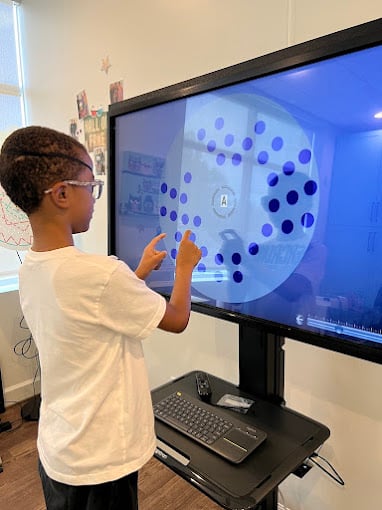
An eye exam that goes beyond checking for 20/20 vision can reveal whether your child struggles with skills like focusing up close, moving their eyes smoothly, or coordinating both eyes together. When these skills are weak, the classroom becomes a frustrating place. At Navigation Eye Care, we often meet families who feel relieved to finally have an answer that explains years of confusing behavior reports.
Tracking and posture
Teachers often notice subtle clues first. Maybe your child tilts their head dramatically while reading, covers one eye, or fidgets constantly during desk work. These behaviors are not just quirks; they can signal difficulty with eye teaming or tracking.
Posture is another giveaway. A child who leans far over the desk, presses close to the page, or avoids written work altogether may be trying to cope with blurry or double vision. Parents sometimes think this is just a bad habit, but these physical adjustments are attempts to make vision tasks manageable. When the root problem is treated, kids can finally relax and engage in learning without the constant struggle.
Teacher-parent partnerships
No one knows your child better than you do, but teachers spend hours each day observing patterns you may not see at home. That is why strong communication between parents, teachers, and an eye doctor is so powerful. When everyone works together, the focus shifts from “behavior management” to identifying and treating the true underlying issue.
At Navigation Eye Care, we encourage parents to share teacher observations during appointments. Comments like “he loses his place when reading” or “she avoids the board” provide valuable insight into how vision is affecting classroom performance. With this partnership, we can create a clear plan to strengthen vision skills and support your child’s academic journey.
A clear plan for parents
- Schedule a comprehensive eye exam that checks more than just sight.
- Share teacher feedback and your own observations with the eye doctor.
- If vision therapy or other treatments are recommended, follow through consistently.
This simple plan can transform frustration into progress. Many families describe the experience as finally unlocking their child’s potential.
The success story
Picture your child sitting confidently in class, reading with ease, and participating without constant redirection. Instead of worrying about behavior notes, you see their joy return as school becomes manageable again. That is the success we love to celebrate with Chesapeake families.
At Navigation Eye Care, we know how overwhelming it can feel when your child struggles in school. We are here to guide you with empathy, expertise, and solutions that make a real difference. Do not let vision and classroom behavior remain a mystery.
Book your child’s appointment today and give them the confidence to succeed.