
COMPREHENSIVE EYE EXAMS · CHESAPEAKE, VA · FAMILY EYE DOCTOR NEAR ME
Your Family’s Vision Deserves More Than a 10-Minute Checkup.
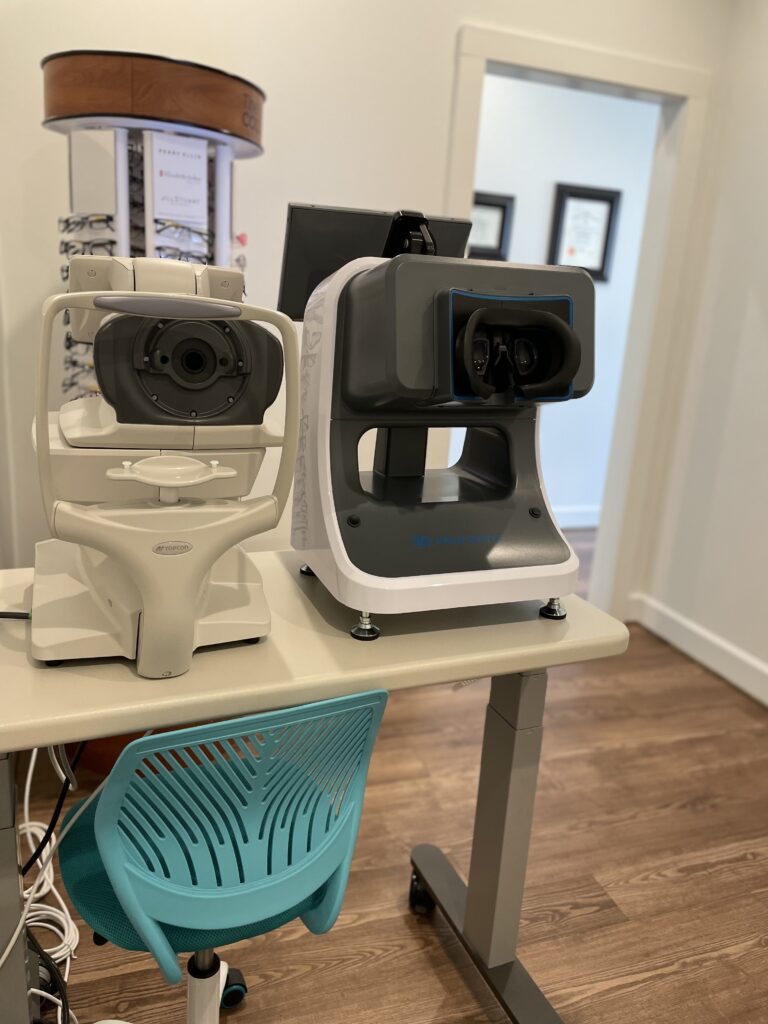
A comprehensive eye exam at Navigation Eye Care in Chesapeake is far more than reading letters on a chart. We look at how clearly each member of your family sees, how their eyes work together, how vision is developing, and how healthy the eyes are on the inside using detailed imaging, so nothing that affects sight, comfort, or learning gets missed.
How Often Should You Get Your Eyes Checked, and What Happens If You Skip It?
The American Optometric Association recommends adults get a comprehensive eye exam every one to two years, and annually if you wear glasses, contacts, or have a family history of eye disease. Many serious conditions like glaucoma and diabetic retinopathy show zero symptoms until irreversible damage has already occurred. A busy schedule is not worth your family’s long-term vision.
Symptoms you’ve been ignoring for months
Outdated prescription causing headaches
Kids struggling in school from vision issues
Uncertainty about what’s normal vs. serious
Fear of spending hours at a rushed clinic
Not knowing if insurance covers it

Chesapeake Families Trust Navigation Eye Care for Thorough, Unhurried Exams
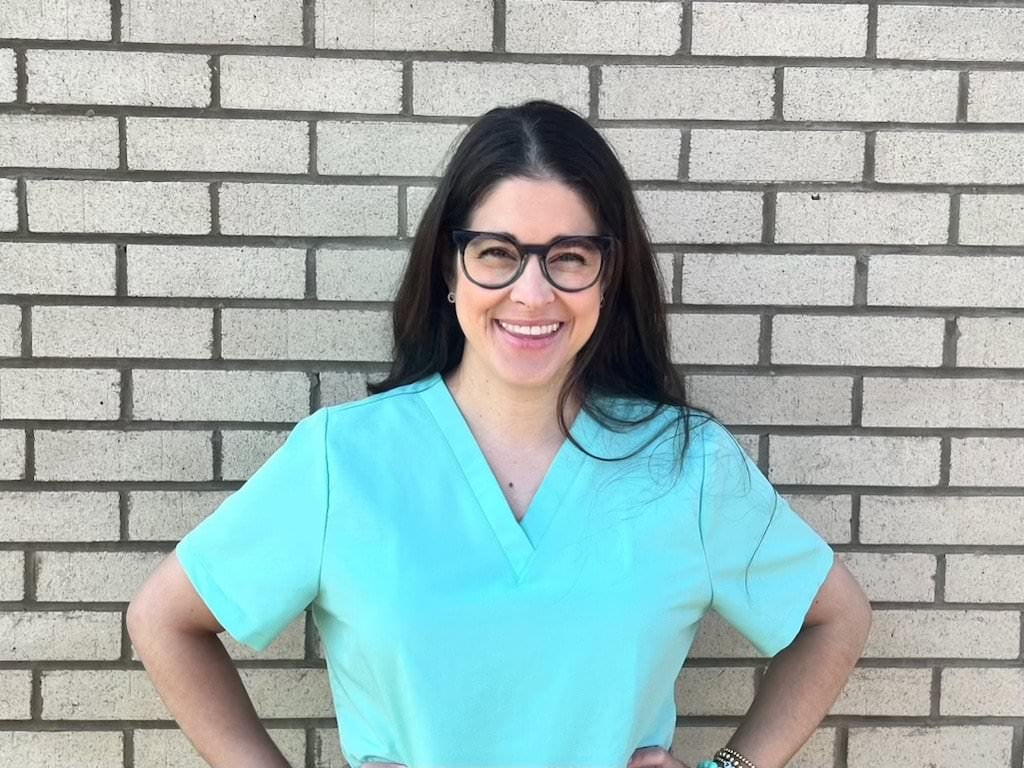
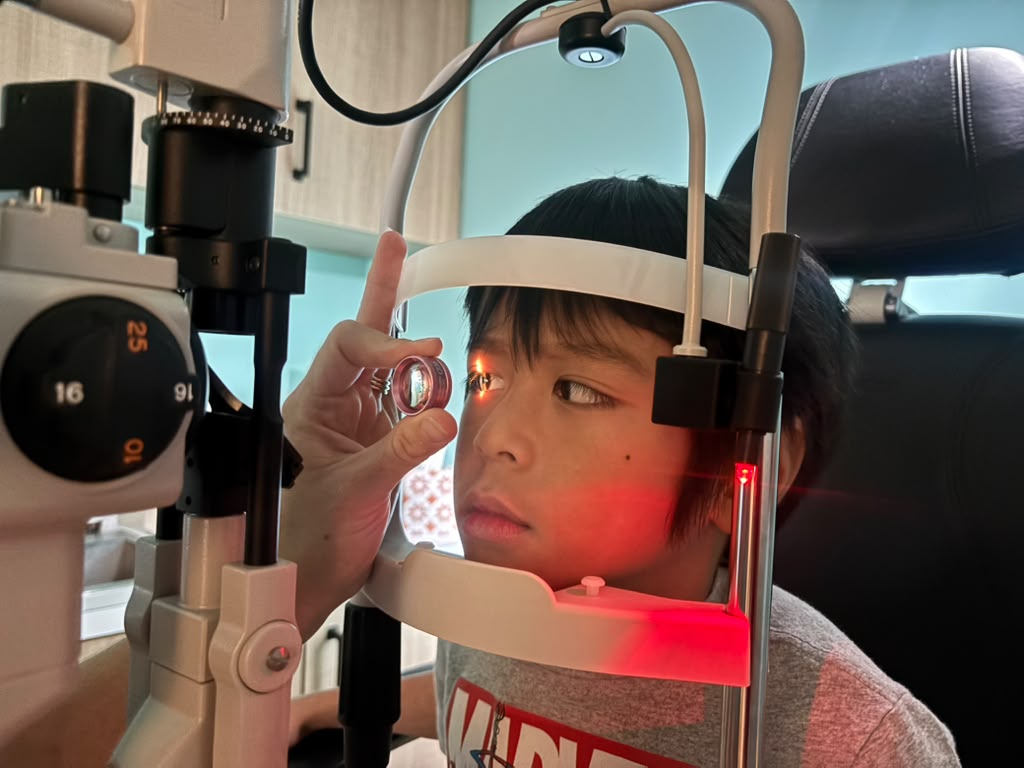
Dr. Amber Teten, OD has built her practice around children and families, and she cares for patients of every age. Whether it is a child too young to read a chart or an adult due for a routine exam and updated prescription, she takes the time to explain what she sees and answer your questions, because a rushed exam is not a thorough one.
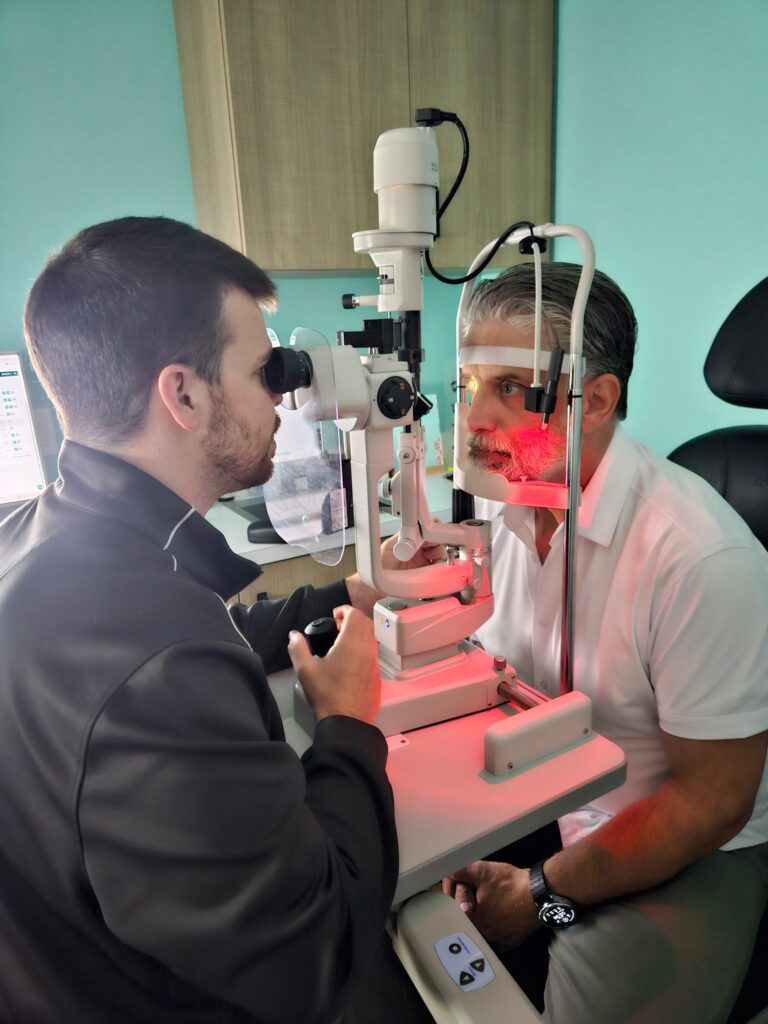
Dr. Troy Moss cares for adults and patients with medical eye concerns, from dry eye and diabetic eye exams to monitoring conditions that often show no early symptoms. Many of these are handled during the same visit, without a separate appointment.
Already know what you need? Explore our dry eye treatment, Neurolens for headaches and eye strain, vision therapy, and myopia management.
1,000+
Families Served
5★
Google Rating
Optomap
Advanced Retinal Imaging
6months
and up
It’s Simple to Get Started
Why Regular Exams Matter
It is Simple to Get Started
Some of what an exam catches has no symptoms, like early glaucoma. Other times the symptoms are why you came in, like headaches or eye strain from screens, which can signal an eye misalignment that Neurolens may help correct. A regular exam stays ahead of both.
SUCCESS STORIES
See the Difference Thorough Care Makes
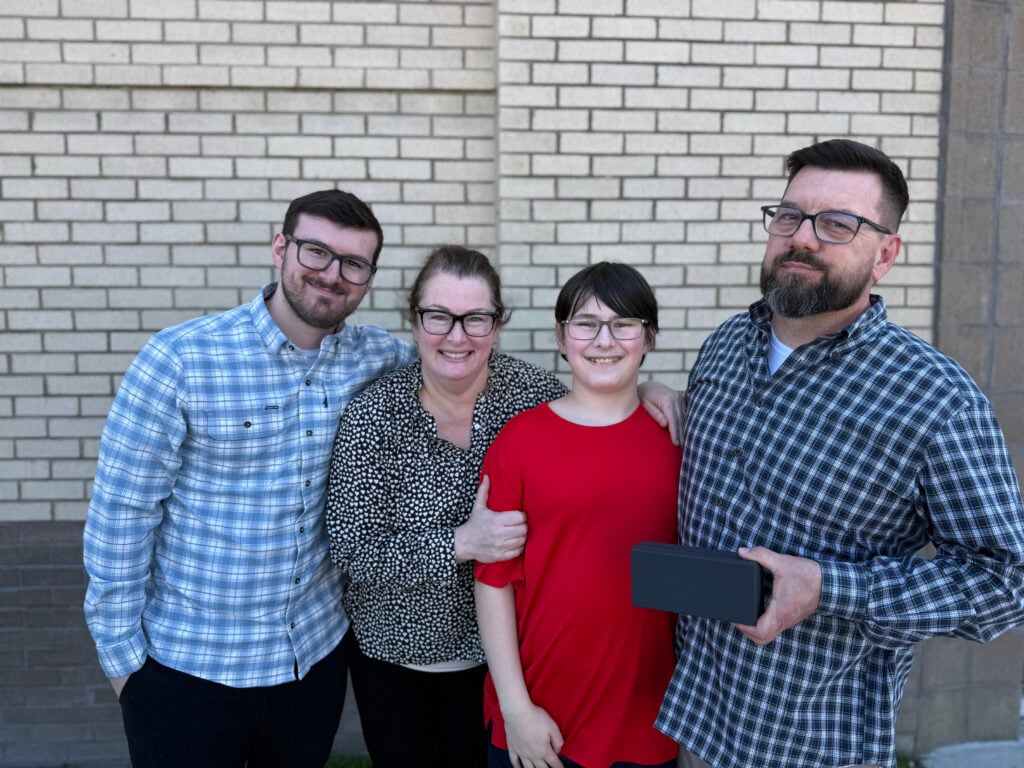
After a comprehensive exam at Navigation Eye Care, families leave knowing exactly where their vision health stands, with a clear plan and total peace of mind.
“I had the pleasure of having my eye exam at this outstanding optometry office, where they have some of the latest state of the art technology. Dr. Teten left no stone unturned in her comprehensive explanation of the results.” <br>- Ellie N.
Frequently Asked Questions About Eye Exams
How often should I get a comprehensive eye exam?
The American Optometric Association recommends a comprehensive eye exam every one to two years for adults with no risk factors. If you wear glasses or contact lenses, have a family history of eye disease, have diabetes, or are over age 60, annual exams are recommended. Children should be seen at 6 months, again at age 3, before starting school, and annually thereafter. Dr. Teten will give you a personalized recommendation based on your eye health history.
What should I expect at my first eye exam at Navigation Eye Care?
Dr. Teten performs a comprehensive dry eye evaluation that goes well beyond a standard eye exam. She assesses your tear film quality, measures tear production, evaluates the health of your meibomian glands, and checks for corneal surface damage using special dyes. This thorough approach identifies the root cause of your dry eye, which is essential for choosing the right treatment, not just masking symptoms.
What does a comprehensive eye exam check for?
A comprehensive eye exam at Navigation Eye Care checks far more than just your vision prescription. Dr. Teten evaluates the health of your retina, optic nerve, macula, and blood vessels using Optomap retinal imaging. She screens for glaucoma, macular degeneration, diabetic retinopathy, cataracts, dry eye, and other conditions, many of which have no symptoms in their early stages. Catching these conditions early is critical to protecting your long-term vision.
What's included in a comprehensive eye exam?
Our exams go beyond checking how well you see. We evaluate your overall eye health and screen for conditions like glaucoma, macular degeneration, cataracts, amblyopia, and diabetic retinopathy using advanced Optomap retinal imaging technology.
How much does an eye exam cost without insurance in Chesapeake VA?
Comprehensive eye exam fees at Navigation Eye Care vary depending on the services performed. Contact our office at (757) 529-6889 or visit us at 649 Cedar Rd Ste 101, Chesapeake, VA 23322 for current pricing. We accept most major vision and medical insurance plans, and we’ll verify your coverage before your appointment so there are no surprises. HSA and FSA funds are also accepted.
Can an optometrist screen for glaucoma or macular degeneration?
Yes. Dr. Teten is fully trained and equipped to screen, diagnose, and co-manage both glaucoma and macular degeneration. Navigation Eye Care uses Optomap ultra-widefield retinal imaging to detect changes in the retina and optic nerve that are associated with these conditions, often years before symptoms develop. If a condition requires surgical treatment or specialist co-management, Dr. Teten will coordinate a referral to the appropriate ophthalmologist.
What is 20/20 vision, and does having it mean my eyes are healthy?
20/20 vision means you can see at 20 feet what a person with normal vision sees at 20 feet, it’s a measure of visual sharpness, not overall eye health. Having 20/20 vision does not mean your eyes are free of disease. Glaucoma, macular degeneration, diabetic retinopathy, and other serious conditions can be developing silently even when your distance vision tests perfectly. This is exactly why a comprehensive eye exam, not just a vision screen, is so important every one to two years.
Comprehensive Eye Exam vs. Basic Vision Screening: What's the Difference?
A screening checks whether you can see clearly. A comprehensive exam checks whether your eyes are healthy. They are not the same thing.
A screening is the quick chart test at school or the DMV. It catches obvious blur and nothing else. A child can pass one and still have an eye turn, a focusing problem, or an issue affecting reading and schoolwork.
A comprehensive exam measures your full prescription, checks how the eyes work together, and looks at eye health inside and out, which is how silent conditions like glaucoma are caught early and how the cause of headaches or eye strain gets identified. If your child passed a screening but still struggles with reading or screens, a comprehensive exam is the next step.