

PEDIATRIC EYE CARE · CHESAPEAKE, VA · INFANTSEE® PROVIDER · GREAT BRIDGE AREA
You Want the Best for Your Child’s Eyes. We’re Here to Make That Easy.
Children’s eyes change fast, and kids rarely tell you when something is wrong. Our pediatric eye exams in Chesapeake are built to be gentle and thorough for kids of every age, from babies to teens, so vision problems get caught early, while they are easiest to treat. Catching them early protects your child’s learning, development, and confidence.
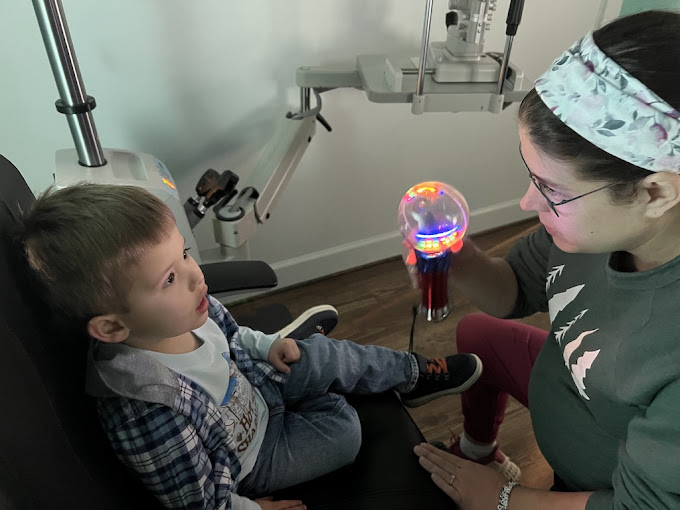
Kids Can’t Always Tell You When Their Vision Is Off, But the Signs Are There
One in four school-age children has a vision problem that directly impacts their ability to learn, yet most go undetected. Vision issues are commonly mistaken for attention problems, learning disabilities, or behavioral challenges. If your child is struggling in school, their eyes may be the reason no one has checked for yet.
Child struggling in school for no clear reason
Squinting at the TV or board, headaches, rubbing eyes
Trouble reading or losing their place on the page
Avoiding homework or activities they used to enjoy
“Is this a vision problem or something else?”
Difficulty finding a kid-friendly eye doctor nearby
If your child’s prescription is worsening each year, Dr. Teten offers myopia management for children, including MiSight® lenses, Stellest® lenses, and atropine therapy.
For children struggling with reading, focusing, or tracking, even with a normal prescription, Dr. Teten may recommend vision therapy to train the brain and eyes to work together.
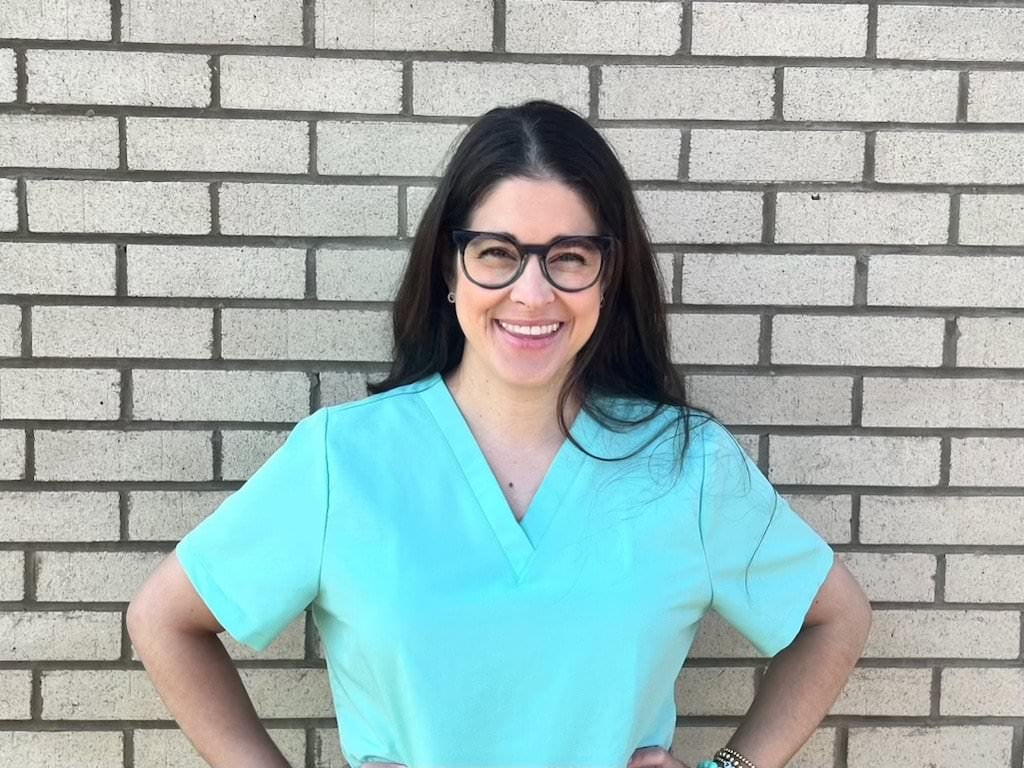
Dr. Teten Specializes in Making Eye Care Gentle and Stress-Free for Kids
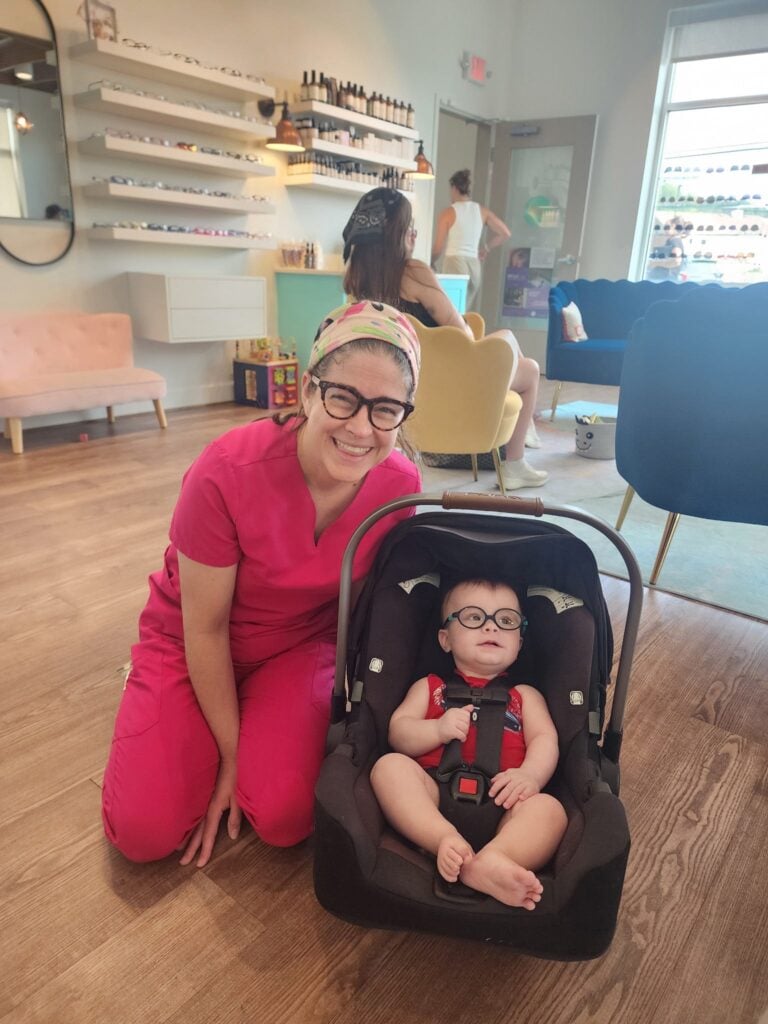
Dr. Amber Teten, OD is a pediatric optometrist in Chesapeake who genuinely loves working with kids. Our office is warm, unhurried, and set up so even a nervous toddler can relax, which means a more accurate exam and a calmer experience for you both. As an InfantSEE® provider, we also offer no-cost eye assessments for babies, so you can start protecting your child’s vision from the very beginning.”
6 mo.
Earliest we can see kids
700+ 5★
Google Reviews
All Ages
Infants through Teens
Getting Your Child’s Eyes Checked Is Simple
Every pediatric visit begins with a comprehensive eye exam — using age-appropriate tools that don’t require your child to read a letter chart.

WHY THIS MATTERS
Vision Problems Caught Late Can Affect Your Child’s Entire Academic Life
A child rarely knows their vision is the problem. They assume everyone sees the way they do, so a struggle with reading, focus, or schoolwork can quietly trace back to an undetected vision issue like amblyopia, or lazy eye, which is far easier to treat the earlier it is found. That is why regular pediatric eye exams matter long before there is an obvious complaint.
SUCCESS STORIES
Parents Love the Difference It Makes
Picture your child reading confidently, paying attention in class, and
enjoying activities they used to avoid. That’s what vision care at
Navigation Eye Care gives families every week.
“Her patience and kindness toward my 5 year old, 3 year old and 1 month old did not go unnoticed… My 3 year old was fitted for glasses, which was a shock to me and my husband, and she answered all of our questions and concerns and took the time to really help us understand his plan of care.”
– Sarah F.
Frequently Asked Questions About Eye Exams
When should my baby have their first eye exam?
The American Optometric Association recommends that babies have their first comprehensive eye exam between 6 and 12 months of age. Navigation Eye Care is an InfantSEE® provider, which means this first exam is available at no cost for babies in that age window, regardless of insurance. Early detection of conditions like amblyopia (lazy eye), strabismus (crossed eyes), and significant refractive errors is critical, many are far easier to treat when caught in infancy.
Is the InfantSEE program really free?
Yes. InfantSEE® is a public health program sponsored by the American Optometric Association that provides a no-cost, comprehensive eye and vision assessment for infants between 6 and 12 months of age. Navigation Eye Care is a participating InfantSEE provider. There is no charge for this exam regardless of your insurance status. Call (757) 529-6889 to schedule your baby’s InfantSEE assessment.
What does a comprehensive eye exam check for?
The AOA recommends: first exam at 6–12 months (InfantSEE), again at age 3, once more before starting school at age 5–6, and then annually throughout childhood and adolescence. Dr. Teten sees patients starting at 6 months of age and provides age-appropriate exams at every stage. If you notice signs of a vision problem at any age, squinting, eye rubbing, sitting too close to screens, don’t wait for the next scheduled visit.
What are the first signs my toddler or child needs glasses?
Common signs that a child may need glasses include: squinting at the TV, board, or books; sitting unusually close to screens; frequent headaches or eye rubbing; tilting the head to one side; closing one eye to see better; avoiding reading or close-up activities; and losing their place while reading. Younger children may not be able to describe what they’re experiencing, which is why regular eye exams starting at 6 months are so important. Many children don’t realize their vision isn’t normal because they’ve never known anything different.
How do you test a toddler’s vision if they can’t read?
Dr. Teten uses picture-based and symbol eye charts (like the LEA Symbols chart) that don’t require a child to know letters or numbers. For very young children and infants, she uses techniques like retinoscopy (shining a light into the eye to measure the prescription objectively) and preferential looking tests that require no verbal response at all. These methods give accurate results for patients of any age, including babies. No child is too young for a comprehensive eye exam.
What is 20/20 vision, and does having it mean my eyes are healthy?
After the infant exam at 6–12 months, children should be seen at age 3, before starting school (age 5–6), and then every year throughout school age. Annual exams are especially important during the school years when vision is directly tied to learning, and when myopia (nearsightedness) tends to develop and progress most rapidly. If your child wears glasses or contacts, or has a known vision condition, Dr. Teten will recommend an exam schedule tailored to their needs.
What is 20/20 vision, and does having it mean my eyes are healthy?
Yes. Both Virginia Medicaid and the Children’s Health Insurance Program (CHIP) cover comprehensive eye exams and eyeglasses for eligible children. Navigation Eye Care accepts Medicaid for pediatric patients. Call our office at (757) 529-6889 and we’ll verify your child’s coverage before their appointment so you know exactly what to expect.