

GLAUCOMA CARE· CHESAPEAKE, VA · NAVIGATION EYE CARE
Glaucoma Steals Your Vision Silently, Before You Ever Notice a Change.
Glaucoma often has no symptoms until permanent vision loss has already occurred. Dr. Moss offers thorough glaucoma screening and personalized management plans to catch it early and protect the sight you have.
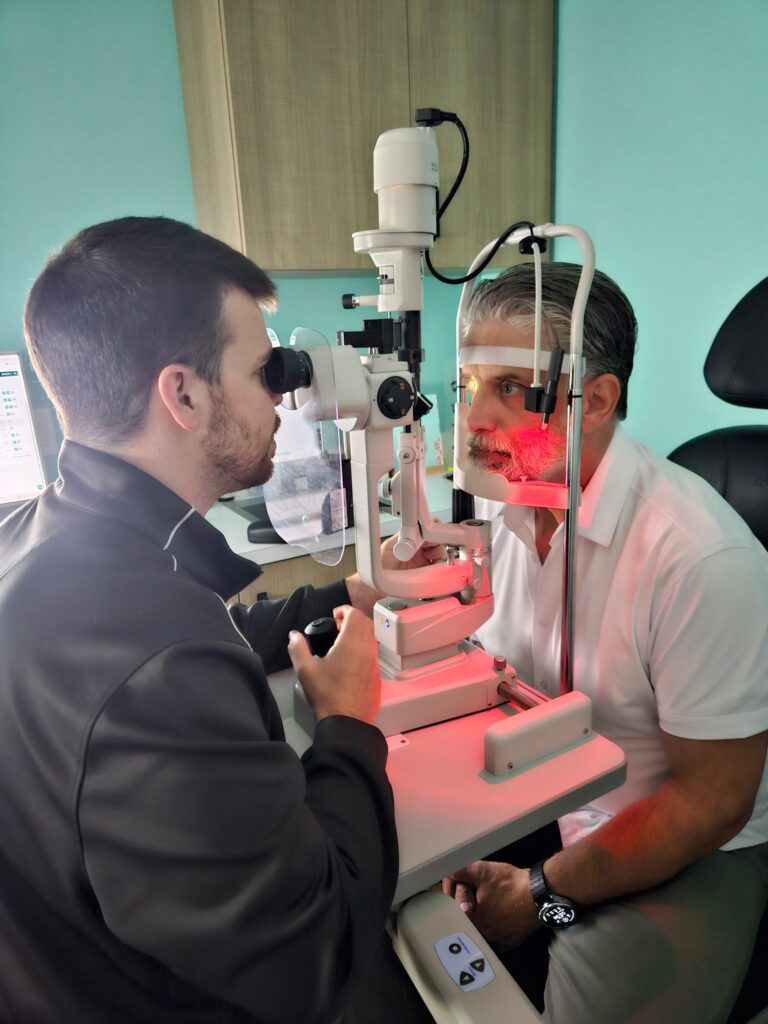
You Can't Feel Glaucoma Coming
Glaucoma is often called the “silent thief of sight” because vision loss happens gradually, starting at the edges, long before most people notice anything is wrong. By the time symptoms appear, damage is usually permanent.
No pain or warning signs in early stages
Gradual loss of peripheral vision you might not notice
Elevated eye pressures that are asymptomatic but slowly causing damage to eye structure

Dr. Moss Specializes in Catching Glaucoma Early, Before It Costs You Your Sight
Dr. Troy Moss, OD is an optometrist at Navigation Eye Care in Chesapeake. A graduate of the Southern College of Optometry in Memphis, he provides comprehensive glaucoma evaluations, from first screening through ongoing monitoring, and takes the time to explain what’s happening with your eyes at every step, not just hand you a diagnosis.
Glaucoma is often first caught during a comprehensive eye exam, which is why routine annual visits matter, especially if you’re over 40 or have a family history.
1,000+
Families Served
5★
Google Rating



It’s Simple to Get Started
Why This Matter
Vision Lost to Glaucoma Cannot Be Restored
Glaucoma damage is permanent and cumulative, once vision is lost, it does not come back. Regular monitoring and, where needed, treatment can slow or stop progression, which is why early detection is critical.
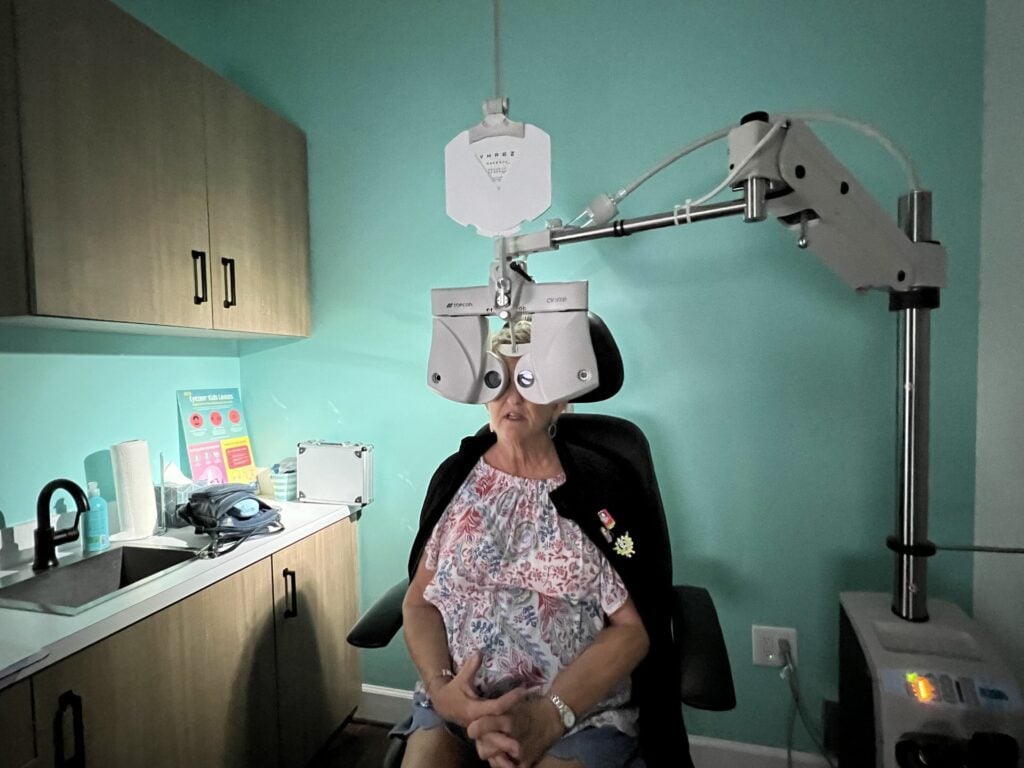
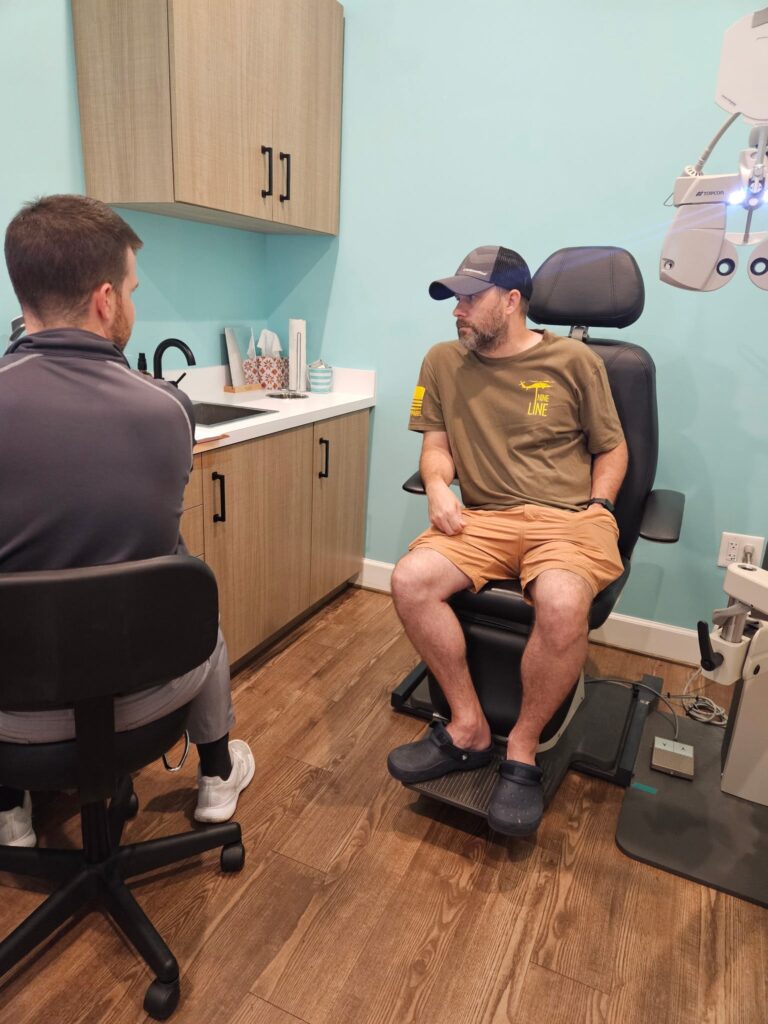
WHAT TO EXPECT AT YOUR VISIT
No Guesswork, Just Answers About Your Vision
Your evaluation covers your health history, eye pressure, and optic nerve health, often with imaging to catch changes early. Dr. Moss reviews the results with you before you leave, so you know exactly where things stand.
Frequently Asked Questions About Glaucoma
What is glaucoma?
Glaucoma is a group of eye conditions that damage the optic nerve, often associated with elevated eye pressure. It’s a leading cause of irreversible blindness worldwide
What are the symptoms of glaucoma?
Most types of glaucoma (especially open-angle glaucoma) have no early symptoms, vision loss starts at the edges and is easy to miss. This is why regular eye exams are the main way it’s caught early.
Am I at risk for glaucoma?
Common risk factors include age over 40, family history of glaucoma, certain medical conditions, and certain eye characteristics.
Can an optometrist diagnose and treat glaucoma?
Comprehensive eye exam fees at Navigation Eye Care vary depending on the services performed. Contact our office at (757) 529-6889 or visit us at 614 Battlefield Blvd S, Suite 104, Chesapeake, VA 23322 for current pricing. We accept most major vision and medical insurance plans, and we’ll verify your coverage before your appointment so there are no surprises. HSA and FSA funds are also accepted.
Can an optometrist screen for glaucoma
Yes. Optometrist are licensed to diagnose, treat , and manage glaucoma. Treatment often includes various types eye drops to lower eye pressures to slow and/or stop the progression of glaucoma. Laser and surgical options are also sometimes considered, which may require a referral to an ophthalmologist
Should I see an optometrist or ophthalmologist for glaucoma?
For most patients, an optometrist is a strong first stop, and often the only provider needed, for glaucoma diagnosis and ongoing management like eye pressure monitoring and prescription drops. Ophthalmologists, particularly glaucoma specialists, typically get involved for more complex cases, surgical treatment beyond an optometrist’s scope, or angle-closure and congenital glaucoma. Many patients receive coordinated care between both.
What should I expect at my first glaucoma appointment?
A first glaucoma evaluation typically includes a review of your health and family history, an eye pressure check (tonometry), an examination of the optic nerve, and often additional imaging (such as OCT) and a visual field test. Results and next steps are usually discussed with you at the same visit.