

Pediatric Eye Doctor in Chesapeake, VA
You Want the Best for Your Child’s Eyes. We’re Here to Make That Easy.
Children’s eyes change fast, and kids rarely tell you when something is wrong. Our pediatric eye exams in Chesapeake are built to be gentle and thorough for kids of every age, from babies to teens, so vision problems get caught early, while they are easiest to treat. Catching them early protects your child’s learning, development, and confidence.
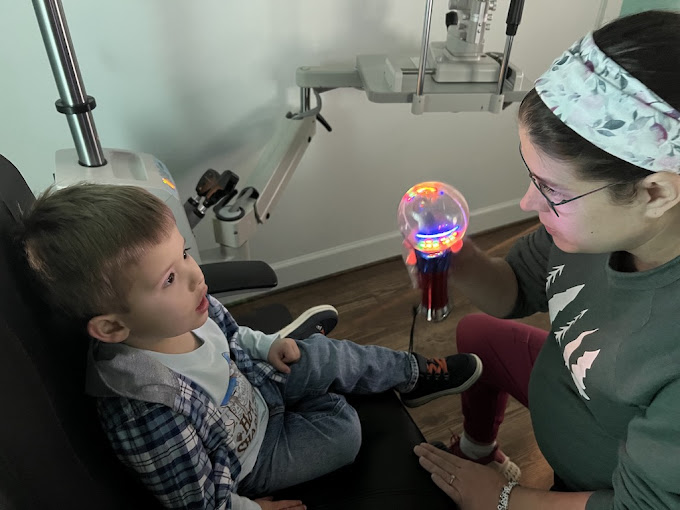
Kids Can’t Always Tell You When Their Vision Is Off, But the Signs Are There
Vision problems in children often look like trouble with reading, focus or behavior, so they’re easy to miss. Vision issues are commonly mistaken for attention problems, learning disabilities, or behavioral challenges. If your child is struggling in school, their eyes may be the reason no one has checked for yet.
Child struggling in school for no clear reason
Squinting at the TV or board, headaches, rubbing eyes
Trouble reading or losing their place on the page
Avoiding homework or activities they used to enjoy
“Is this a vision problem or something else?”
Difficulty finding a kid-friendly eye doctor nearby
If your child’s prescription is worsening each year, Dr. Teten offers myopia management for children, including MiSight® lenses, Stellest® lenses, and atropine therapy.
For children struggling with reading, focusing, or tracking, even with a normal prescription, Dr. Teten may recommend vision therapy to train the brain and eyes to work together.
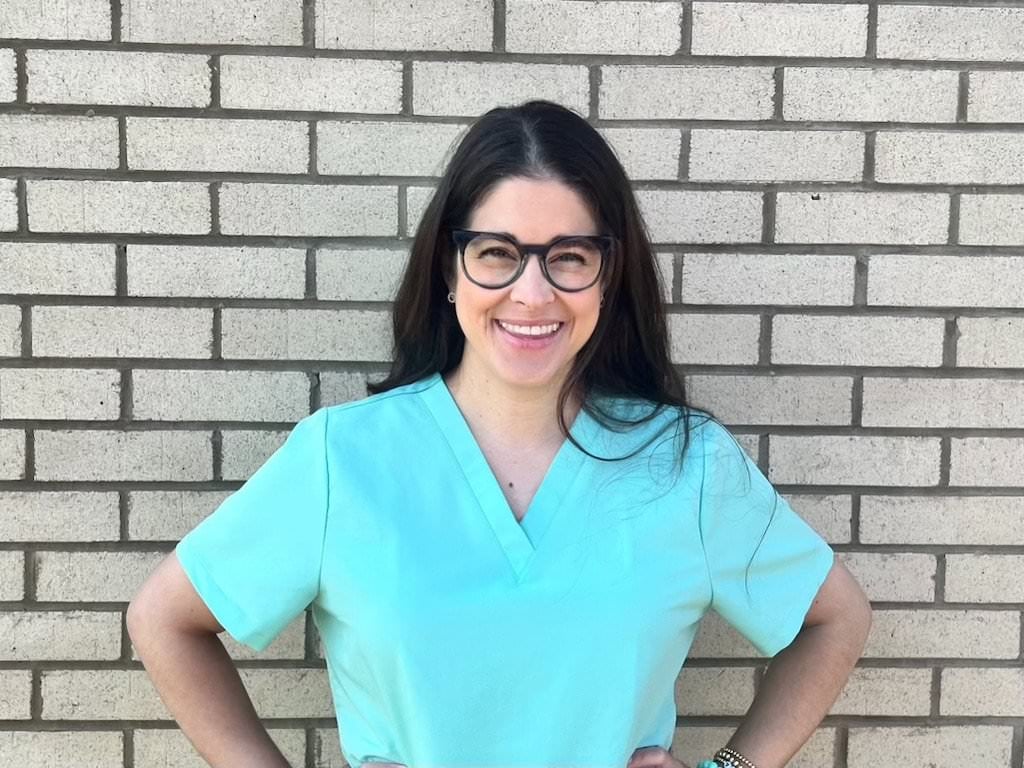
Dr. Teten Specializes in Making Eye Care Gentle and Stress-Free for Kids
Dr. Amber Teten, OD is a pediatric optometrist in Chesapeake who genuinely loves working with kids. Our office is warm, unhurried, and set up so even a nervous toddler can relax, which means a more accurate exam and a calmer experience for you both. As an InfantSEE® provider, we also offer no-cost eye assessments for babies, so you can start protecting your child’s vision from the very beginning.”
6 mo.
Earliest we can see kids
800+ 5★
Google Reviews
All Ages
Infants through Teens
Eye Conditions We Treat in Children
Dr. Teten sees children from 6 months old through their teen years. Along with routine eye exams and glasses, she treats:
Nearsightedness (myopia) that keeps getting worse, with MiSight contact lenses, Stellest lenses and low-dose atropine eye drops
Amblyopia (lazy eye)
Strabismus (eye turn)
Convergence insufficiency and other eye teaming problems
Eye tracking and focusing problems that affect reading
Depth perception problems that affect sports
Visual processing problems
Motion sickness and dizziness linked to vision
Dry eye in children
Many of these are treated with vision therapy, a personalized program done right here in the office.
Getting Your Child’s Eyes Checked Is Simple
Every pediatric visit begins with a comprehensive eye exam — using age-appropriate tools that don’t require your child to read a letter chart.

WHY THIS MATTERS
Vision Problems Caught Late Can Affect Your Child’s Entire Academic Life
A child rarely knows their vision is the problem. They assume everyone sees the way they do, so a struggle with reading, focus, or schoolwork can quietly trace back to an undetected vision issue like amblyopia, or lazy eye, which is far easier to treat the earlier it is found. That is why regular pediatric eye exams matter long before there is an obvious complaint.
SUCCESS STORIES
Parents Love the Difference It Makes
Picture your child reading confidently, paying attention in class, and
enjoying activities they used to avoid. That’s what vision care at
Navigation Eye Care gives families every week.
“Her patience and kindness toward my 5 year old, 3 year old and 1 month old did not go unnoticed… My 3 year old was fitted for glasses, which was a shock to me and my husband, and she answered all of our questions and concerns and took the time to really help us understand his plan of care.”
– Sarah F.
Aiden is a baseball player who came to us with depth perception problems that were affecting his game. With a clear plan and consistent vision therapy sessions, his ability to track and hit the ball improved dramatically, and his family says vision therapy was the major change they made.
– From Aiden’s Vision Therapy story
Insurance for Your Child's Eye Exam
We accept most major vision and medical insurance plans, and we verify your coverage before the appointment so there are no surprises.
Vision plans: Davis, EyeMed, Superior and VSP
Medical plans: Aetna, Anthem Blue Cross Blue Shield, Cigna, Medicare, Tricare and UnitedHealthcare
Vision insurance usually covers routine eye exams, glasses and contacts. If your child is seen for a medical eye condition, the visit may be billed to medical insurance. Tricare Prime members need a referral from their primary care provider.
We also accept HSA, FSA and CareCredit. Babies 6 to 12 months old can get a free InfantSEE assessment, regardless of insurance.
Frequently Asked Questions About Eye Exams
At what age should a child have an eye exam?
We recommend a first eye exam between 6 and 12 months, again at age 3, before starting school, and every year after that. Babies 6 to 12 months old can get a free InfantSEE assessment.
Is the InfantSEE program really free?
Yes. InfantSEE® is a public health program sponsored by the American Optometric Association that provides a no-cost, comprehensive eye and vision assessment for infants between 6 and 12 months of age. Navigation Eye Care is a participating InfantSEE provider. There is no charge for this exam regardless of your insurance status. Call (757) 529-6889 to schedule your baby’s InfantSEE assessment.
What does a comprehensive eye exam check for?
A comprehensive eye exam checks much more than how clearly your child sees. Dr. Teten looks at:
- Vision at distance and up close
- Whether your child needs glasses, and the right prescription
- How the eyes team, track and focus together
- Depth perception
- The health of the front and back of the eye
We also use Optomap retinal imaging, which takes a wide picture of the back of the eye in seconds and often means no dilating drops.
What are the first signs my toddler or child needs glasses?
Common signs that a child may need glasses include: squinting at the TV, board, or books; sitting unusually close to screens; frequent headaches or eye rubbing; tilting the head to one side; closing one eye to see better; avoiding reading or close-up activities; and losing their place while reading. Younger children may not be able to describe what they’re experiencing, which is why regular eye exams starting at 6 months are so important. Many children don’t realize their vision isn’t normal because they’ve never known anything different.
How do they check a 4-year-old's eyes?
Dr. Teten uses picture-based and symbol eye charts (like the LEA Symbols chart) that don’t require a child to know letters or numbers. For very young children and infants, she uses techniques like retinoscopy (shining a light into the eye to measure the prescription objectively) and preferential looking tests that require no verbal response at all. These methods give accurate results for patients of any age, including babies. No child is too young for a comprehensive eye exam.
Can a pediatrician treat eyes?
Pediatricians check vision during well visits, and that screening is a good first step. A pediatric eye doctor goes further, checking how the eyes focus, team and track, and looking at the health of the eye. If your pediatrician flags a problem, or your child struggles with reading, squints or rubs their eyes, book an eye exam.
Which eye doctor is best for kids?
Look for an eye doctor who sees children every day, starts as young as 6 months, and checks how the eyes work together along with how clearly your child sees. Dr. Teten built Navigation Eye Care around children and families, and parents have given the practice a 5-star rating on Google from more than 800 reviews.