

Astigmatism in Children: What Parents Really Should Know
Parents often notice their child squinting, rubbing their eyes, or complaining about blurry vision. Sometimes the first thought is that they simply need glasses for nearsightedness or farsightedness. But in many cases, the issue is astigmatism. This can sound intimidating, and parents naturally wonder how it will affect school performance and long term vision.
At Navigation Eye Care, we understand that moms and dads want clear answers without the medical jargon. Our goal is to simplify what astigmatism in children means, how it shows up in daily life, and what you can do to help.
What It Means
Astigmatism happens when the front surface of the eye is shaped more like a football than a basketball. This uneven curve bends light in different directions, making vision blurry at both near and far distances. It is one of the most common vision conditions in kids and can occur alongside nearsightedness or farsightedness.
Our eye doctor explains it this way to kids: imagine trying to look through a funhouse mirror, everything looks stretched or fuzzy. That’s what uncorrected astigmatism can feel like for your child.
Does Astigmatism Go Away in Kids?
No, astigmatism doesn’t go away on its own. It’s caused by the shape of the eye itself, specifically the curve of the cornea, and that curve doesn’t correct itself as your child grows.
The good news is that astigmatism is highly treatable and doesn’t have to hold your child back long term. With the right glasses or contact lenses, kids with astigmatism typically see just as clearly as anyone else. Catching it early with a comprehensive eye exam simply makes it easier to correct before it starts affecting reading, learning, or confidence in the classroom.
How It Affects Learning
Astigmatism in children does more than blur the world, it can create real challenges in the classroom. Kids may struggle to read small print, copy from the board, or stay focused during homework. Sometimes they avoid reading altogether, leaving parents wondering if it’s a learning problem when in reality it’s a vision problem.
Teachers might also notice signs like frequent squinting, poor handwriting, or complaints about headaches. When the eyes have to work harder to make sense of words on a page, children can feel frustrated or fall behind in school. The good news is that once astigmatism is diagnosed and corrected, learning often becomes easier and far less stressful.
Treatment Options
The reassuring part for parents is that astigmatism in children is highly treatable. The most common solution is glasses with special lenses that correct the uneven focus. Contact lenses may be an option for older children or teens who are responsible enough to care for them.
For some cases, vision therapy may also help strengthen how the eyes work together, especially if there are other underlying visual skills that need support. At Navigation Eye Care, we design treatment plans around each child’s needs, making sure their vision is clear and comfortable in every part of daily life.
A Simple Plan for Success
Here’s how you can help your child:
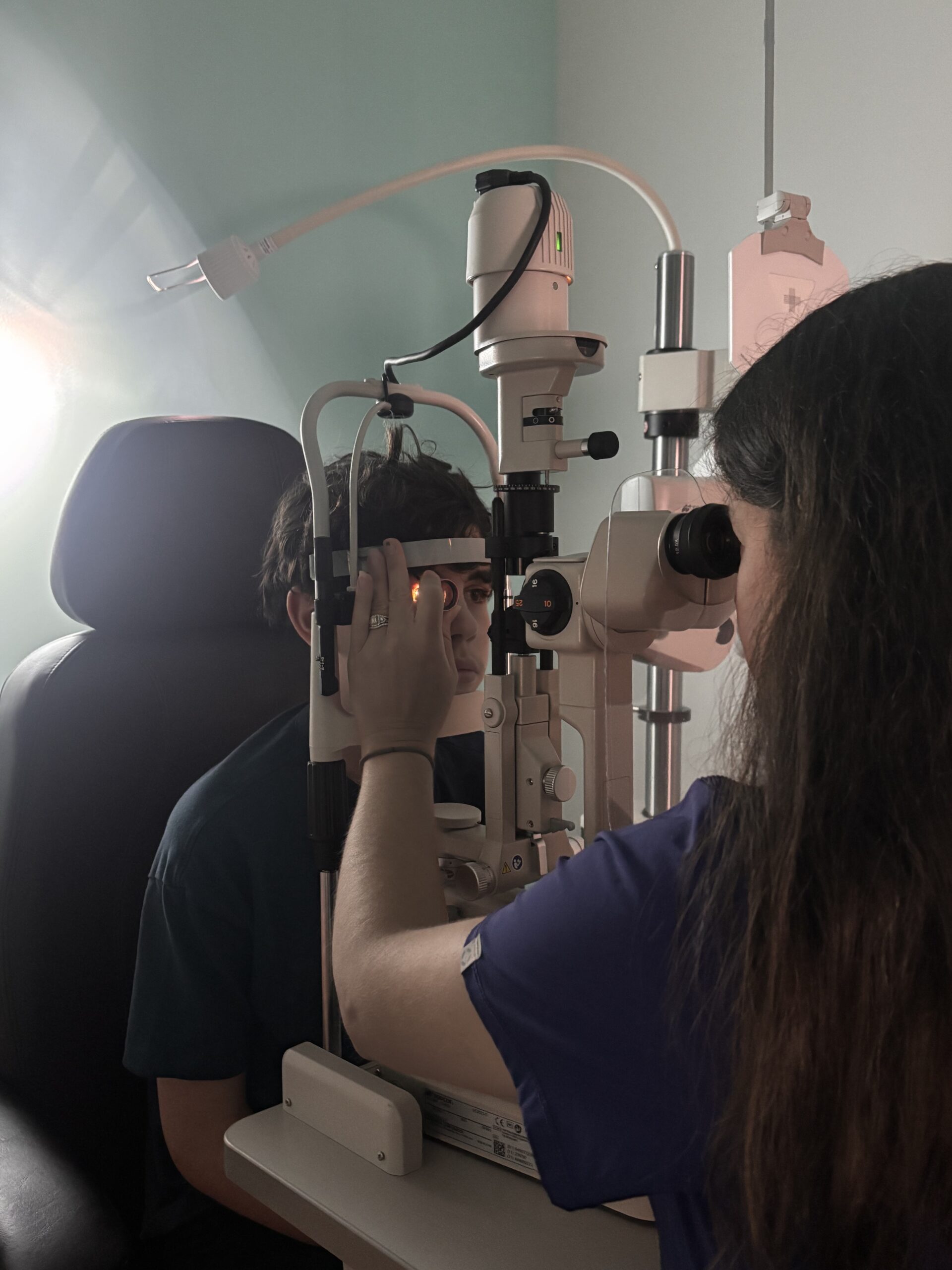
- Schedule a comprehensive exam with our eye doctor to confirm whether astigmatism is present.
- Review treatment options together and choose what fits best for your child.
- Watch as clearer vision supports better focus, easier learning, and more confidence in school.
Parents often tell us how relieved they feel once they know the root cause of the problem and have a clear path forward.
Frequently Asked Questions
Can Astigmatism Go Away in a Child? No, astigmatism does not go away in a child because it is caused by the natural shape of the cornea, which does not self-correct as they grow. However, the condition is highly treatable with prescription eyeglasses or contact lenses, restoring clear, comfortable vision.
Does Astigmatism Go Away in Kids? Astigmatism in kids does not go away on its own. It occurs due to the physical curve of the cornea, which remains unchanged as a child develops. Fortunately, parents can manage it easily through corrective glasses or contact lenses, ensuring clear vision for classroom learning and everyday activities.
Does Astigmatism in Kids Go Away on Its Own? No, astigmatism in kids does not go away as they grow older. Because it is caused by the eye’s shape, children will not outgrow it naturally. Early detection with a comprehensive eye exam allows eye doctors to correct vision effectively using specialized glasses or contact lenses.
How Do You Treat Astigmatism in a Child? While astigmatism in children cannot be cured or naturally outgrown, it is easily corrected. Common treatments include eyeglasses featuring specialized lenses designed to balance uneven focus. Responsible older children or teens may use contact lenses, and vision therapy can support underlying visual skills and eye coordination.
What Is Astigmatism in Kids? Astigmatism in kids is a common vision condition caused by an unevenly curved cornea, making the eye shaped more like a football than a basketball. This structural curve bends light improperly, leading to blurry, fuzzy, or stretched vision at both near and far distances for the child.
Take the Next Step
Your child’s future shouldn’t be held back by blurry vision. Astigmatism in children is simple to diagnose and treat with the right plan.
Call Navigation Eye Care today or schedule online to book your child’s exam and give them the gift of clear, confident vision.
Related Reading
- Common Eye Problems and Their Treatments
- What to Do If You Have a Flashing Light in Your Eye
- Teens and Eye Health